Rebuilding Strength: A Professional’s Guide to Smarter Recovery and Prevention
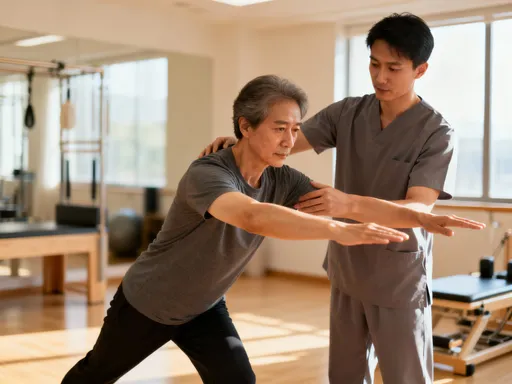
Recovery isn’t just about healing—it’s about rebuilding smarter. After years in clinical practice, I’ve seen how a structured rehabilitation plan transforms outcomes. Far too many people bounce back too quickly, only to face setbacks. The real goal? Sustainable health through prevention. This article unpacks the science-backed principles behind effective recovery, from early intervention to long-term resilience. You’ll learn how small, consistent actions reduce recurrence, support the body’s natural repair, and lay the foundation for lasting wellness—no shortcuts, just strategy.
The Hidden Cost of Rushed Recovery
Many individuals believe that once pain subsides, healing is complete. However, clinical evidence consistently shows that symptom relief does not equate to full recovery. In fact, returning to daily activities or physical demands too soon can significantly increase the risk of re-injury. Studies indicate that up to 30% of patients experience setbacks due to premature resumption of movement, particularly in cases involving musculoskeletal strain or post-surgical recovery. These setbacks often stem from a misunderstanding of the body’s healing timeline, which requires more than the absence of discomfort to be truly ready for stress.
The concept of functional readiness is central to modern rehabilitation. This refers to the body’s ability not only to move without pain but to withstand physical load safely and efficiently. For example, someone recovering from a lower back injury may feel fine while sitting or walking but lack the core stability needed for lifting groceries or gardening. Without proper assessment, these functional gaps go unnoticed until a minor task triggers a relapse. Rehabilitation specialists emphasize that healing occurs in phases—each requiring specific interventions and timeframes aligned with tissue repair biology.
Real-world observations from outpatient physical therapy clinics reveal a common pattern: patients who adhere strictly to guided recovery protocols report fewer complications and faster long-term progress. Conversely, those who self-discharge early—often due to feeling “good enough”—are more likely to return weeks or months later with recurring issues. This cycle not only prolongs recovery but can lead to chronic conditions that could have been avoided. Recognizing recovery as a process, rather than an event, is the first step toward lasting health.
Why Prevention Is Part of the Recovery Plan
Rehabilitation and prevention are not separate goals—they are interconnected stages of the same journey. Once acute symptoms resolve, the focus must shift from healing to protecting future well-being. This approach is known in clinical medicine as secondary prevention: taking deliberate steps to prevent the recurrence of injury or illness after initial recovery. It involves identifying and modifying risk factors such as poor posture, inefficient movement patterns, or sedentary behavior, all of which can contribute to relapse.
Research in physical therapy and chronic disease management demonstrates that integrating preventive strategies during the recovery phase significantly improves long-term outcomes. For instance, patients recovering from knee surgery who also learn proper squatting and stair-climbing mechanics are less likely to experience joint strain later. Similarly, individuals managing back pain benefit from ongoing postural education and ergonomic adjustments in their homes and workplaces. These habits, when adopted early, become protective routines rather than reactive fixes.
Another critical component is neuromuscular re-education—the process by which the brain relearns how to control muscles efficiently after injury. When a person limps due to an ankle sprain, the altered gait pattern may persist even after healing, increasing stress on the hip or lower back. Targeted exercises help restore normal movement pathways, reducing the likelihood of compensatory injuries. By treating the body as an integrated system, clinicians can address not just the injury site but the underlying causes of dysfunction.
Preventive care during recovery also includes patient education. Understanding why certain movements are harmful, how daily habits influence healing, and what warning signs to watch for empowers individuals to take ownership of their health. This knowledge transforms recovery from a passive treatment phase into an active investment in long-term resilience.
The Four Pillars of a Professional Rehabilitation Framework
An effective recovery plan is built on four evidence-based pillars: assessment, customization, progression, and monitoring. These components work together to ensure that rehabilitation is not only safe but also tailored to individual needs and goals. Skipping any of these steps can compromise results, leading to incomplete healing or unnecessary delays.
Assessment is the foundation. It begins with a comprehensive functional evaluation that goes beyond diagnosing the injury. Clinicians assess how daily activities—such as bending, lifting, or prolonged sitting—affect movement quality and tissue load. Tools such as gait analysis, joint mobility tests, and muscle strength measurements provide objective data. This helps identify weaknesses, imbalances, or compensatory patterns that may not be obvious to the individual but can hinder recovery if left unaddressed.
Customization follows naturally from assessment. No two people recover in exactly the same way. Age, fitness level, occupation, and lifestyle all influence healing. A one-size-fits-all approach may work for basic guidance but fails to meet the nuanced needs of real patients. A personalized plan considers these variables, ensuring that exercises, pacing, and goals are realistic and sustainable. For example, a stay-at-home parent may need different strategies than an office worker or retiree, even if both have the same diagnosis.
Progression is the gradual and systematic increase in physical demand. It aligns with the body’s natural healing phases—such as inflammation, repair, and remodeling—so that tissues are not overloaded prematurely. A tendon, for instance, may take weeks to regain tensile strength; introducing high-load activities too soon can reverse progress. A well-structured plan advances in small, measurable steps, allowing the body to adapt safely over time.
Finally, monitoring ensures accountability and adaptability. Objective markers—such as range of motion, endurance, pain levels, or functional tests—are tracked regularly. This reduces reliance on guesswork and allows for timely adjustments. If progress stalls, the clinician can reassess and modify the approach. This data-driven method enhances confidence and keeps recovery on track.
Movement as Medicine: The Role of Therapeutic Exercise
Exercise is often viewed as a tool for fitness or weight management, but in rehabilitation, it serves a deeper purpose: restoring function. Therapeutic exercise is not about intensity or calorie burn—it is purpose-driven movement designed to heal, stabilize, and retrain the body. Unlike general workouts, these exercises are selected based on clinical goals, such as improving joint stability, correcting muscle imbalances, or re-establishing proper motor control.
One key benefit of therapeutic exercise is enhanced circulation. Improved blood flow delivers oxygen and nutrients to healing tissues while removing metabolic waste. This supports cellular repair in muscles, tendons, and ligaments. Additionally, controlled movement prevents stiffness and maintains joint health, which is especially important during periods of reduced activity. For example, gentle ankle pumps after a leg injury help prevent swelling and maintain mobility in the joint.
Neuromuscular activation drills are another essential component. After injury, certain muscles may “shut down” due to pain or disuse. Exercises like glute bridges or scapular retractions help reactivate these muscles, restoring their role in movement and stability. Low-load endurance training, such as walking or swimming, builds stamina without overloading healing tissues. These exercises are often introduced early in recovery and gradually intensified as tolerance improves.
The science of tissue remodeling explains why timing and dosage are crucial. Muscles and tendons adapt to stress in predictable ways, but only when the load is appropriate. Too little stress leads to deconditioning; too much causes micro-damage and delays healing. A trained professional determines the optimal dose—frequency, intensity, and duration—based on the individual’s stage of recovery. Missteps, such as pushing through pain or skipping prescribed exercises, can undermine progress and increase the risk of recurrence.
Lifestyle Integration: Sleep, Nutrition, and Stress Management
Physical rehabilitation does not occur in isolation. The body heals best when supported by holistic lifestyle factors—particularly sleep, nutrition, and stress management. These elements are not secondary; they are foundational to recovery. Without attention to them, even the most carefully designed exercise program may fall short.
Sleep is one of the most powerful tools for tissue repair. During deep sleep, the body releases growth hormone, which stimulates muscle regeneration and collagen synthesis. Poor sleep quality or insufficient duration disrupts this process, slowing recovery and increasing sensitivity to pain. Adults are generally advised to aim for 7–9 hours of restful sleep per night. Simple strategies—such as maintaining a consistent bedtime, reducing screen time before bed, and creating a cool, dark sleeping environment—can significantly improve sleep hygiene.
Nutrition plays an equally vital role. Healing tissues require adequate protein to rebuild, along with essential vitamins and minerals like vitamin C, zinc, and omega-3 fatty acids. Protein should be distributed throughout the day, as the body can only utilize a limited amount at one time. Meals that include lean meats, eggs, legumes, or dairy support muscle repair. Hydration is also critical—water facilitates nutrient transport and joint lubrication. While extreme diets are unnecessary, a balanced, whole-foods-based approach provides the building blocks the body needs.
Chronic stress negatively impacts recovery by elevating cortisol levels. High cortisol suppresses immune function, increases inflammation, and interferes with muscle repair. Emotional fatigue can also reduce motivation to adhere to a recovery plan. Mindfulness techniques—such as deep breathing, meditation, or gentle yoga—help regulate the nervous system and promote relaxation. Even five to ten minutes of daily practice can make a meaningful difference. By managing stress, individuals create internal conditions that support healing rather than hinder it.
When to Seek Help and How to Track Progress
Knowing when to seek professional guidance—and when progress is on track—is essential for successful recovery. Some warning signs should never be ignored. Persistent or worsening pain, especially if it radiates or disrupts sleep, may indicate incomplete healing or a new issue. Loss of function, such as inability to perform tasks that were once easy, is another red flag. Emotional fatigue, frustration, or anxiety about recovery can also signal the need for support.
Tracking progress helps maintain motivation and provides valuable feedback. Simple self-assessments—like noting pain-free movement during daily tasks, tracking walking distance, or logging energy levels—can reveal trends over time. For example, being able to climb stairs without discomfort or carry a laundry basket without pain are meaningful milestones. Keeping a journal or using a mobile app can make this process easier and more consistent.
Interdisciplinary care often yields the best outcomes. Depending on the condition, a team approach may include a physical therapist, primary care physician, occupational therapist, or registered dietitian. Each professional contributes unique expertise, ensuring all aspects of recovery are addressed. Open communication with providers is key—sharing concerns, asking questions, and reporting changes enables timely adjustments to the plan.
Patients are encouraged to prepare for appointments by writing down symptoms, questions, or observations. This helps make the most of limited visit time and ensures important issues are not overlooked. A collaborative relationship between patient and provider fosters trust and improves adherence to treatment.
Building Long-Term Resilience: From Recovery to Daily Maintenance
True recovery does not end when therapy concludes. Lasting wellness requires a shift from active rehabilitation to ongoing maintenance. This transition is not about doing less—it is about being smarter. The goal is to sustain gains, prevent future injuries, and maintain a high quality of life through consistent, manageable habits.
Maintenance mode includes routine check-ins with a healthcare provider, periodic movement screenings, and continued preventive exercise. Just as a car needs regular tune-ups, the body benefits from proactive care. Annual or biannual assessments can detect subtle changes before they become problems. Preventive exercises—such as core strengthening, balance training, or flexibility routines—can be integrated into daily life with minimal time investment.
Real-life cases illustrate the value of this approach. Patients who adopt maintenance habits report fewer flare-ups, greater confidence in their bodies, and improved ability to enjoy daily activities. One study found that individuals who continued a home exercise program after formal therapy were 50% less likely to experience recurrence within a year. These outcomes reflect not just physical strength but mental resilience—the confidence that comes from knowing how to care for one’s body.
The final takeaway is this: recovery is not the end of a chapter. It is the beginning of a lifelong commitment to health. By embracing prevention, listening to the body, and making small, consistent choices, individuals can build a foundation of strength that lasts for years. Wellness is not a destination—it is a daily practice of intention, awareness, and care.