Eat This, Not That: My Real Talk on Staying Healthy Without the Hype
You know that feeling when you’re staring into the fridge, totally lost on what to eat? I’ve been there—overwhelmed, confused, and tired of trendy diets that promise miracles but deliver nada. After years of trial and error, I finally cracked the code on eating for prevention. It’s not about perfection; it’s about smart, doable choices that actually work. This is real talk from real experience—no fluff, no jargon, just food that fuels your body right and keeps you strong before problems even start.
The Hidden Power of Everyday Eating
Every bite you take sends a message to your body—some messages build strength, while others quietly invite trouble. Most people think of food only in terms of weight or energy, but what you eat every day plays a far deeper role. It influences how your cells repair themselves, how your immune system responds to threats, and even how your mood balances over time. Preventive nutrition is the idea that eating well isn’t just about looking good—it’s about staying out of the doctor’s office in the first place. It means choosing foods that lower your risk for chronic conditions like heart disease, type 2 diabetes, and certain cancers, long before symptoms appear.
Many women in their 30s, 40s, and 50s are caught in a cycle of jumping from one diet trend to another. They try juice cleanses, keto, or intermittent fasting, hoping for quick results. But these approaches often fail because they’re not sustainable. More importantly, they don’t address the root goal: long-term health. The truth is, extreme restrictions rarely lead to lasting change. Instead, consistent, moderate choices—like swapping white bread for whole grain or choosing water over sugary drinks—add up in powerful ways. Research shows that people who make small, repeated improvements in their diet over time are more likely to maintain better health than those who chase short-term fixes.
Another common misconception is that “healthy” packaged foods are always beneficial. Labels like “low-fat,” “gluten-free,” or “natural” can be misleading. A low-fat yogurt, for example, might be loaded with added sugar to compensate for flavor. Similarly, gluten-free products aren’t automatically healthier—many are highly processed and lack fiber. The key is to look beyond marketing claims and focus on whole, minimally processed ingredients. Real food doesn’t need a label to prove it’s good for you. An apple, a handful of almonds, or a bowl of lentil soup doesn’t come with flashy promises—it simply nourishes.
What Your Body Actually Needs (And Why)
To stay strong and resilient, your body relies on a handful of essential nutrients—not miracle supplements or exotic powders, but the basics found in everyday foods. These nutrients work together like a well-coordinated team, supporting everything from digestion to immunity. Fiber, for instance, is like a quiet janitor moving through your digestive tract, sweeping away waste and feeding the good bacteria in your gut. Most women don’t get enough fiber, yet it’s linked to lower cholesterol, better blood sugar control, and a reduced risk of colon cancer. Good sources include beans, oats, broccoli, and pears—all simple, affordable, and easy to find.
Healthy fats are another cornerstone of preventive eating. Unlike the saturated fats found in fried foods and processed meats, healthy fats from sources like avocados, olive oil, and walnuts help reduce inflammation. Think of inflammation as a slow-burning fire in the body—it can damage blood vessels, joints, and organs over time. Chronic inflammation is linked to heart disease, arthritis, and even cognitive decline. By choosing the right fats, you help cool that fire. Omega-3 fatty acids, found in fatty fish like salmon and in flaxseeds, are especially powerful in supporting brain and heart health.
Protein doesn’t have to come from steak or chicken every day. Plant-based proteins like lentils, chickpeas, and tofu offer a gentler, more sustainable option. They provide the building blocks your body needs without the high levels of saturated fat found in some animal proteins. Plus, they come packaged with fiber and antioxidants—two things your body uses to stay balanced. Antioxidants, found in colorful fruits and vegetables, act like bodyguards for your cells. They neutralize harmful molecules called free radicals, which can damage DNA and contribute to aging and disease. A blueberry, a red bell pepper, or a handful of spinach isn’t just food—it’s cellular protection.
And let’s talk about the gut. Often called the “second brain,” your digestive system plays a surprising role in overall health. It houses trillions of bacteria that influence your mood, immunity, and even how you absorb nutrients. When your gut is out of balance—say, from too much sugar or antibiotics—it can lead to bloating, fatigue, and weakened defenses. Eating fermented foods like plain yogurt, kefir, sauerkraut, or kimchi helps replenish good bacteria. These foods are not trendy—they’ve been part of traditional diets for generations. Supporting your gut is one of the most effective ways to support your entire body.
The Grocery List That Fights Back
If your kitchen is stocked with the right foods, healthy eating becomes much easier. Start with the perimeter of the grocery store—the area where fresh produce, dairy, meat, and fish are usually located. Fill your cart with leafy greens like spinach and kale, which are rich in vitamins A, C, and K, as well as folate. Add a rainbow of vegetables: carrots, sweet potatoes, beets, and bell peppers. Each color offers different antioxidants, so variety is key. Berries—especially blueberries, strawberries, and blackberries—are packed with compounds that support heart and brain health. They’re also naturally sweet, making them a smart alternative to desserts high in added sugar.
Don’t overlook legumes. Beans, lentils, and chickpeas are nutritional powerhouses. They’re high in fiber and plant-based protein, which means they keep you full longer and help stabilize blood sugar. A cup of cooked lentils has about 18 grams of protein and 15 grams of fiber—more than many meat-based meals. Plus, they’re inexpensive and versatile. You can use them in soups, salads, or even as a base for veggie burgers. Nuts and seeds are another must-have. Almonds, walnuts, chia seeds, and flaxseeds provide healthy fats, protein, and essential minerals like magnesium, which supports nerve and muscle function.
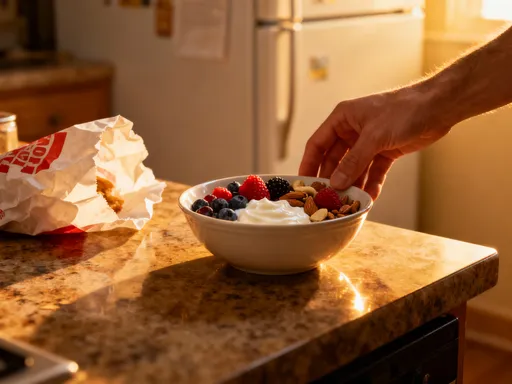
When it comes to dairy, choose plain, unsweetened options. Flavored yogurts can contain as much sugar as a dessert. Instead, buy plain Greek yogurt and add your own fruit or a drizzle of honey. This way, you control what goes in. Eggs are another excellent choice—they’re rich in choline, a nutrient important for brain health, and high-quality protein. And don’t forget whole grains. Brown rice, quinoa, barley, and oats are far better than refined grains because they retain their fiber and nutrients. A bowl of oatmeal with berries and nuts is not only satisfying—it’s a meal that actively supports your long-term well-being.
Reading labels is crucial. Many products marketed as “healthy” are loaded with hidden sugars, sodium, or unhealthy fats. Look at the ingredient list first. If sugar appears in any form—like cane syrup, high-fructose corn syrup, or maltodextrin—among the first three ingredients, it’s best to put it back. Also, watch for trans fats, often listed as “partially hydrogenated oils,” which are linked to heart disease. Choose items with short ingredient lists made of things you recognize. If you can’t pronounce it or don’t know what it is, it’s probably too processed.
Meal Patterns That Stick—For Real Life
Forget the idea of a single “superfood” that will transform your health. Real results come from how you eat over time, not from one magical ingredient. A simple, effective way to build balanced meals is the plate method: fill half your plate with vegetables or fruits, one-quarter with lean protein, and one-quarter with whole grains. This visual guide takes the guesswork out of portion control and ensures you’re getting a mix of nutrients at every meal. For example, a dinner of grilled salmon, quinoa, and roasted broccoli follows this pattern perfectly—and it’s both delicious and protective.
Breakfast can be just as balanced. Instead of sugary cereals or pastries, try scrambled eggs with spinach and tomatoes, or oatmeal topped with sliced banana and a spoonful of almond butter. These options provide sustained energy without the crash that comes from refined carbs. Snacks matter too. A handful of almonds, a piece of fruit, or carrot sticks with hummus are better choices than chips or candy bars. They keep hunger at bay and support steady blood sugar, which helps prevent energy dips and cravings later in the day.
Busy schedules don’t have to derail healthy eating. Meal prep doesn’t mean spending hours in the kitchen. Try batch-cooking grains or roasting a tray of vegetables on the weekend. Keep washed greens ready in the fridge, hard-boiled eggs in the door, and canned beans on hand. These small steps make it easier to assemble a nutritious meal even on the busiest evenings. And remember, it’s okay to use frozen vegetables or canned beans—they’re just as nutritious as fresh, as long as they don’t contain added salt or sugar.
Mindful eating is another key. It means paying attention to your food—savoring each bite, eating slowly, and stopping when you’re full. This practice helps you tune in to your body’s signals and avoid overeating. It also turns meals into moments of calm in a hectic day. You don’t have to eat in silence or meditate, but simply turning off the TV and putting your phone away during meals can make a big difference. When you eat with awareness, you enjoy your food more and feel more satisfied with less.
The Sneaky Triggers Sabotaging Your Progress
Even with the best intentions, certain habits can quietly undermine your efforts. Emotional eating is one of the most common. Stress, boredom, or fatigue can lead to reaching for cookies, chips, or ice cream—not because you’re hungry, but because you’re seeking comfort. These foods are often high in sugar and fat, which temporarily boost mood but lead to energy crashes and long-term weight gain. The solution isn’t willpower—it’s awareness. Start noticing what triggers your cravings. Is it a tough day at work? A disagreement with a family member? Once you identify the pattern, you can find healthier ways to cope, like taking a walk, calling a friend, or drinking a cup of herbal tea.
Convenience is another trap. Drive-thrus, ready-made meals, and snack packs are designed for speed, not health. They’re often high in sodium, unhealthy fats, and added sugars. But you can outsmart this by planning ahead. Keep healthy snacks in your bag, car, or desk drawer. When dinner feels overwhelming, have a backup plan—like a frozen veggie burger or a can of tuna with whole grain crackers. These aren’t perfect, but they’re better than giving in to fast food every time.
Marketing also plays tricks on us. Words like “organic,” “artisan,” or “made with real fruit” sound healthy, but they don’t guarantee nutritional value. An organic cookie is still a cookie. A fruit-flavored snack bar might contain more sugar than fruit. Always check the nutrition facts and ingredient list. And be wary of portion distortion. A bottle of juice might seem like one serving, but it could contain two or more. Drinking the whole thing means doubling the sugar and calories without realizing it.
Timing matters too. Skipping meals, especially breakfast, can lead to overeating later. Eating late at night, particularly heavy or spicy foods, can disrupt sleep and digestion. Aim for regular meals and snacks every 3–4 hours to keep your metabolism steady and your energy stable. This rhythm supports not just your weight, but your overall health.
From Knowledge to Action: Building Your Plan
Knowing what to eat is only half the battle. The real challenge is making it part of your life. Start by tracking your current eating habits for a few days. Write down what you eat, when, and how you feel afterward. You don’t need to judge—just observe. This simple step can reveal patterns, like afternoon slumps leading to sugary snacks or nighttime eating triggered by stress. Once you see the habits, you can begin to shift them.
Set realistic goals. Instead of saying, “I’ll never eat sugar again,” try, “I’ll have fruit instead of dessert three times this week.” Small wins build confidence and momentum. Then, make gradual swaps. Choose whole grain bread instead of white. Switch from soda to sparkling water with lemon. Replace half the meat in a recipe with beans. These changes are manageable and don’t feel like deprivation.
Flexibility is key. No one eats perfectly every day, and that’s okay. The goal is progress, not perfection. If you eat a piece of cake at a birthday party, enjoy it—then return to your usual healthy pattern at the next meal. Deprivation leads to rebellion; balance leads to sustainability. Think of healthy eating as a long-term relationship with your body, not a short-term punishment.
Involve your family. When you cook meals that are nutritious and delicious, everyone benefits. Let kids help wash vegetables or stir a pot. Share simple swaps with your partner. When healthy eating becomes a shared value, it’s easier to maintain. And remember, you’re not just feeding bodies—you’re shaping habits that can last for generations.
When Food Isn’t Enough—Knowing Your Limits
Diet is powerful, but it’s not a cure-all. No amount of kale or quinoa can replace medical care. Regular check-ups, blood tests, and screenings are essential for catching issues early. If you have high blood pressure, high cholesterol, or prediabetes, food can help manage these conditions, but it should be part of a broader plan that includes professional guidance. A registered dietitian can help you tailor your eating to your specific needs, especially if you have food sensitivities, digestive issues, or chronic health concerns.
Other lifestyle factors matter too. Sleep, movement, and stress management all interact with nutrition. Poor sleep can increase hunger hormones and cravings. Lack of physical activity affects how your body uses insulin. Chronic stress raises cortisol, which can lead to weight gain and inflammation. Eating well works best when it’s part of a holistic approach. A 20-minute walk after dinner, a nightly stretching routine, or a few minutes of deep breathing can amplify the benefits of good food.
And never underestimate the power of support. Talking to a trusted friend, joining a wellness group, or working with a health coach can keep you motivated. Change is easier when you’re not doing it alone. If you feel stuck or overwhelmed, reach out. There’s no shame in asking for help—it’s a sign of strength.
Finally, remember that food is just one piece of the puzzle. It’s a tool for health, not a measure of worth. You are not defined by what you eat or don’t eat. Your value isn’t tied to your waistline or your willpower. True health includes kindness, balance, and peace of mind.
Conclusion
Preventive eating isn’t about fear or restriction—it’s about care. It’s a quiet, daily act of respect for the body that carries you through life. What you choose to eat today doesn’t just affect your energy or appearance; it shapes your future. Every vegetable, every whole grain, every mindful bite is a vote for the kind of life you want—a life of strength, clarity, and vitality. You don’t need a miracle diet or a dramatic transformation. You need consistency, knowledge, and self-compassion. Start where you are. Use what you have. Do what you can. Over time, those small choices add up to something powerful: a healthier, more resilient you.